At Mathnasium, we’ve spent decades perfecting a unique approach that inspires confidence, builds skills, and empowers every child to thrive in math and beyond.
Find a Center Near You
For decades the Mathnasium Method™ has transformed the way kids learn math. We build a foundation for math mastery through deep understanding by starting with what they already know, addressing any learning gaps, expanding their mathematical thinking, and adding new concepts in sequence.
This proprietary method works for kids of all ages and skill levels, whether they’re struggling in math, doing okay but could be doing better, or are already excelling but need more of a challenge. When kids see what they can achieve because of their proficiency in math, it can alter the course of their entire lives.
We take our students on a journey of learning, through assessment, customized learning paths and targeted lessons for understanding and comprehension.

We begin with a comprehensive assessment, which includes both a verbal and written component, to pinpoint their exact strengths and weaknesses.

This plan is created for each child based on their assessment, so they will truly learn and grow in their mathematical thinking.

Our expert instructors don’t just teach students to memorize or calculate; they teach them to truly understand the way math works.
Success in math is the understanding of what numbers mean and how they work together. And Number Sense isn't just for young kids. We work on these topics through the levels shown below before moving on to Algebra and other higher math disciplines.

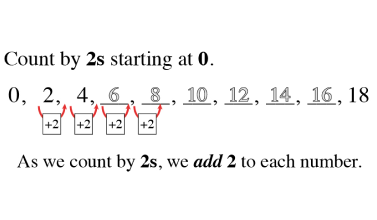
Counting
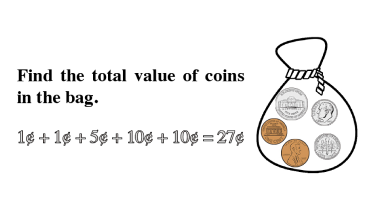
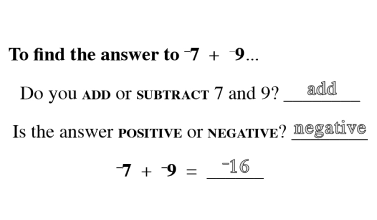
Counting is the key to unlocking addition and subtraction in early math development. At Mathnasium, our initial goal is to have a student become comfortable with counting to any number, from any number, by any number, forward and backwards.

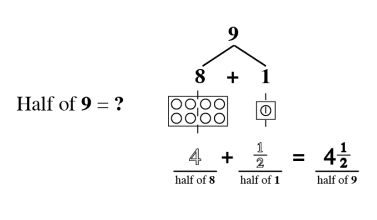
Wholes And Parts
As students begin to understand the relationship between a whole and the parts, a world of mathematical concepts and exercises can be explored. Once students have mastered these skills, they have little trouble with algebraic problem-solving.

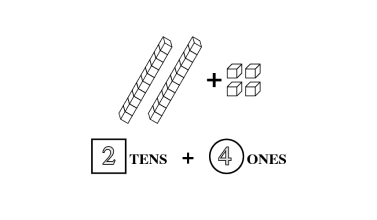
Quantity and Denomination
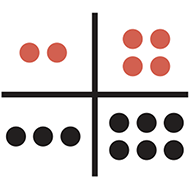
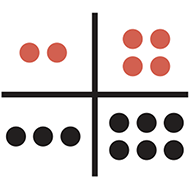
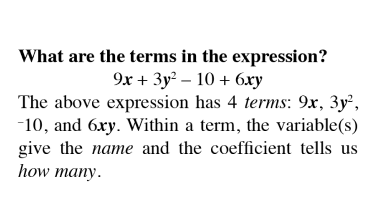
The quantity and denomination construct examine two aspects of numerical value. Quantity asks “how many” and denomination asks “of what.”
Proportional Thinking
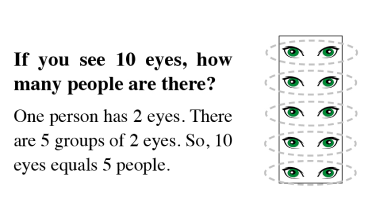
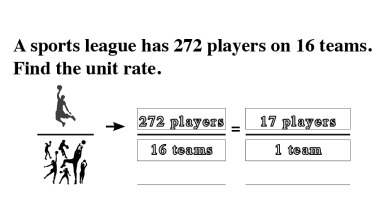
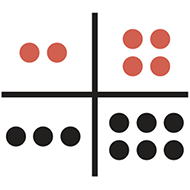
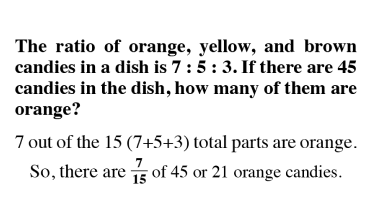
Proportional thinking establishes a fundamental base that leads to a stronger understanding of critical concepts like ratios, direct and indirect variation, and algebraic reasoning.
The Law of SAMEness
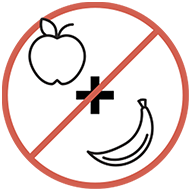
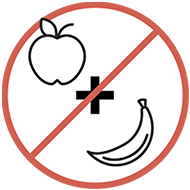
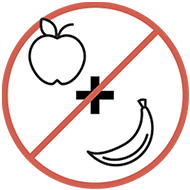
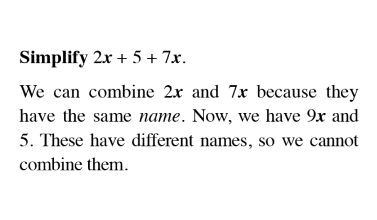
The Law of SAMEness is a concept students naturally apply in their reasoning without being aware of it. For example, quantities of apples and bananas cannot be added together unless first being changed so that they have the same name, which is fruit.

Counting
Counting is the key to unlocking addition and subtraction in early math development. At Mathnasium, our initial goal is to have a student become comfortable with counting to any number, from any number, by any number, forward and backwards.

Wholes and Parts
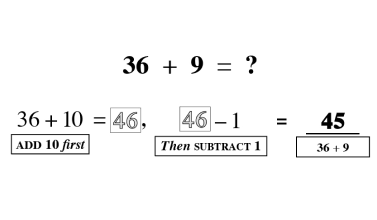
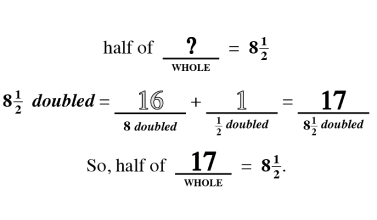
As students begin to understand the relationship between a whole and the parts, a world of mathematical concepts and exercises can be explored. Once students have mastered these skills, they have little trouble with algebraic problem-solving.

Quantity and Denomination
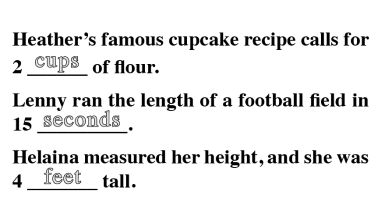
The quantity and denomination construct examine two aspects of numerical value. Quantity asks “how many” and denomination asks “of what.”
Proportional Thinking
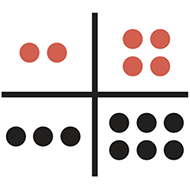
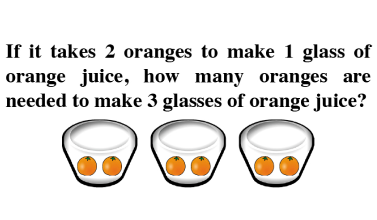
Proportional thinking establishes a fundamental base that leads to a stronger understanding of critical concepts like ratios, direct and indirect variation, and algebraic reasoning.
The Law of SAMEness
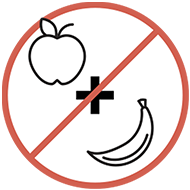
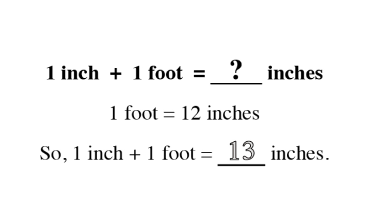
The Law of SAMEness is a concept students naturally apply in their reasoning without being aware of it. For example, quantities of apples and bananas cannot be added together unless first being changed so that they have the same name, which is fruit.

Counting
Counting is the key to unlocking addition and subtraction in early math development. At Mathnasium, our initial goal is to have a student become comfortable with counting to any number, from any number, by any number, forward and backwards.

Wholes and Parts
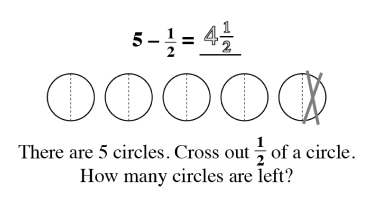
As students begin to understand the relationship between a whole and the parts, a world of mathematical concepts and exercises can be explored. Once students have mastered these skills, they have little trouble with algebraic problem-solving.
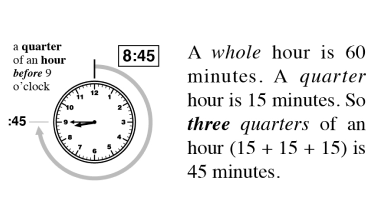

Quantity and Denomination
The quantity and denomination construct examine two aspects of numerical value. Quantity asks “how many” and denomination asks “of what.”
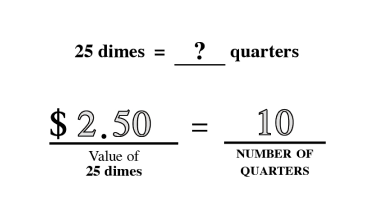
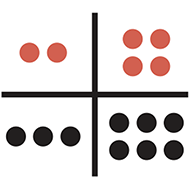
Proportional Thinking
Proportional thinking establishes a fundamental base that leads to a stronger understanding of critical concepts like ratios, direct and indirect variation, and algebraic reasoning.
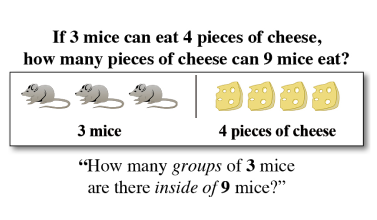
The Law of SAMEness
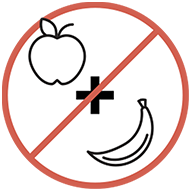
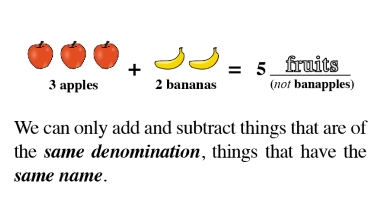
The Law of SAMEness is a concept students naturally apply in their reasoning without being aware of it. For example, quantities of apples and bananas cannot be added together unless first being changed so that they have the same name, which is fruit.

Counting
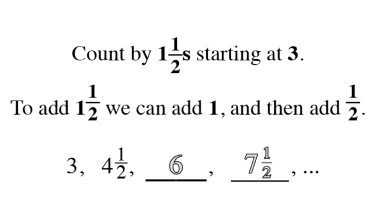
Counting is the key to unlocking addition and subtraction in early math development. At Mathnasium, our initial goal is to have a student become comfortable with counting to any number, from any number, by any number, forward and backwards.

Wholes and Parts
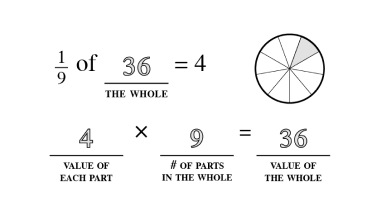
As students begin to understand the relationship between a whole and the parts, a world of mathematical concepts and exercises can be explored. Once students have mastered these skills, they have little trouble with algebraic problem-solving.

Quantity and Denomination
The quantity and denomination construct examine two aspects of numerical value. Quantity asks “how many” and denomination asks “of what.”
Proportional Thinking
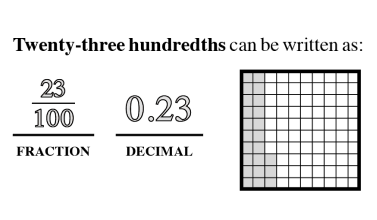
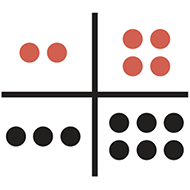
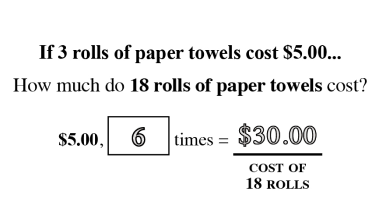
Proportional thinking establishes a fundamental base that leads to a stronger understanding of critical concepts like ratios, direct and indirect variation, and algebraic reasoning.
The Law of SAMEness
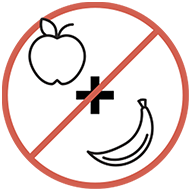
The Law of SAMEness is a concept students naturally apply in their reasoning without being aware of it. For example, quantities of apples and bananas cannot be added together unless first being changed so that they have the same name, which is fruit.

Counting
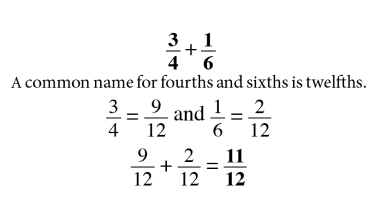
Counting is the key to unlocking addition and subtraction in early math development. At Mathnasium, our initial goal is to have a student become comfortable with counting to any number, from any number, by any number, forward and backwards.

Wholes and Parts
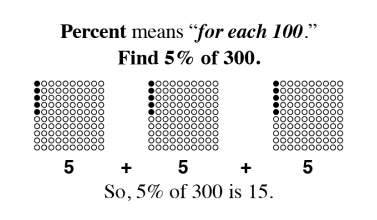
As students begin to understand the relationship between a whole and the parts, a world of mathematical concepts and exercises can be explored. Once students have mastered these skills, they have little trouble with algebraic problem-solving.

Quantity and Denomination
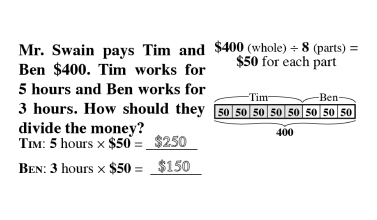
The quantity and denomination construct examine two aspects of numerical value. Quantity asks “how many” and denomination asks “of what.”
Proportional Thinking
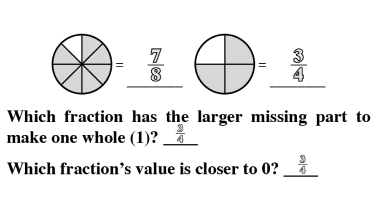
Proportional thinking establishes a fundamental base that leads to a stronger understanding of critical concepts like ratios, direct and indirect variation, and algebraic reasoning.
The Law of SAMEness
The Law of SAMEness is a concept students naturally apply in their reasoning without being aware of it. For example, quantities of apples and bananas cannot be added together unless first being changed so that they have the same name, which is fruit.

Counting
Counting is the key to unlocking addition and subtraction in early math development. At Mathnasium, our initial goal is to have a student become comfortable with counting to any number, from any number, by any number, forward and backwards.

Wholes and Parts
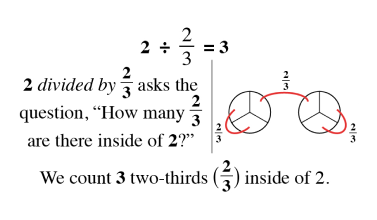
As students begin to understand the relationship between a whole and the parts, a world of mathematical concepts and exercises can be explored. Once students have mastered these skills, they have little trouble with algebraic problem-solving.

Quantity and Denomination
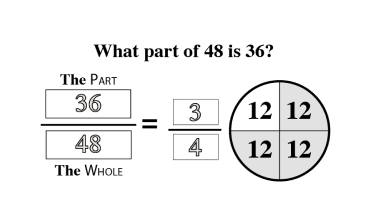
The quantity and denomination construct examine two aspects of numerical value. Quantity asks “how many” and denomination asks “of what.”
Proportional Thinking
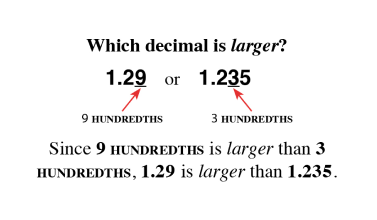
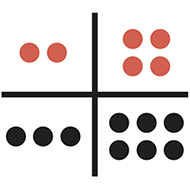
Proportional thinking establishes a fundamental base that leads to a stronger understanding of critical concepts like ratios, direct and indirect variation, and algebraic reasoning.
The Law of SAMEness
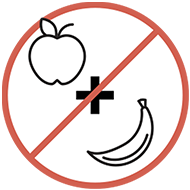
The Law of SAMEness is a concept students naturally apply in their reasoning without being aware of it. For example, quantities of apples and bananas cannot be added together unless first being changed so that they have the same name, which is fruit.

Counting
Counting is the key to unlocking addition and subtraction in early math development. At Mathnasium, our initial goal is to have a student become comfortable with counting to any number, from any number, by any number, forward and backwards.

Wholes and Parts
As students begin to understand the relationship between a whole and the parts, a world of mathematical concepts and exercises can be explored. Once students have mastered these skills, they have little trouble with algebraic problem-solving.

Quantity and Denomination
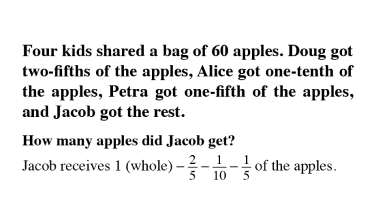
The quantity and denomination construct examine two aspects of numerical value. Quantity asks “how many” and denomination asks “of what.”
Proportional Thinking
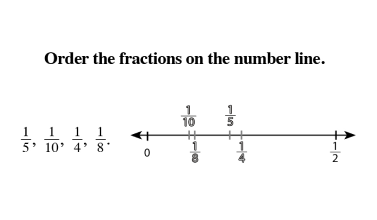
Proportional thinking establishes a fundamental base that leads to a stronger understanding of critical concepts like ratios, direct and indirect variation, and algebraic reasoning.
The Law of SAMEness
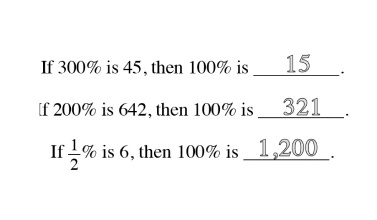
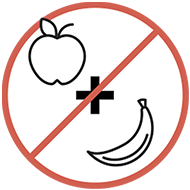
The Law of SAMEness is a concept students naturally apply in their reasoning without being aware of it. For example, quantities of apples and bananas cannot be added together unless first being changed so that they have the same name, which is fruit.

Counting
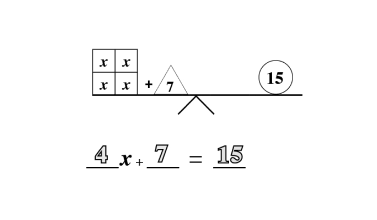
Counting is the key to unlocking addition and subtraction in early math development. At Mathnasium, our initial goal is to have a student become comfortable with counting to any number, from any number, by any number, forward and backwards.

Wholes and Parts
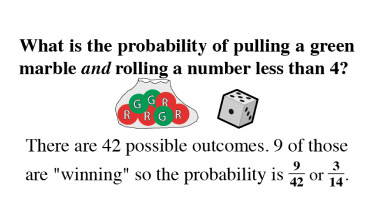
As students begin to understand the relationship between a whole and the parts, a world of mathematical concepts and exercises can be explored. Once students have mastered these skills, they have little trouble with algebraic problem-solving.

Quantity and Denomination
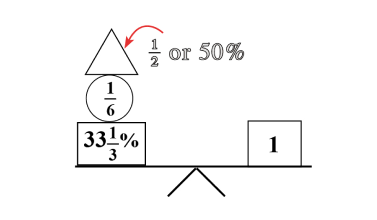
The quantity and denomination construct examine two aspects of numerical value. Quantity asks “how many” and denomination asks “of what.”
Proportional Thinking
Proportional thinking establishes a fundamental base that leads to a stronger understanding of critical concepts like ratios, direct and indirect variation, and algebraic reasoning.
The Law of SAMEness
The Law of SAMEness is a concept students naturally apply in their reasoning without being aware of it. For example, quantities of apples and bananas cannot be added together unless first being changed so that they have the same name, which is fruit.

Mental
Using your mind to solve problems without putting pen to paper.

Visual
Using pictures, figures, graphs, scaffolding, and other visual prompts to understand and solve problems.

Verbal
Using spoken words as a guide to understand and solve problems.

Tactile
Touching or manipulating physical objects to understand and solve problems.

Written
Using written numbers, text, and symbols to understand and solve problems.
Mathnasium students make tremendous strides in comprehension, confidence, and grades.


Excellent place to get tutored in math. The place is neat, clean and the program is highly specialized and individualized. Great experience! Naresh was extremely helpful and easy-to-talk to. He was very professional as well. All the tutors were too- notch!
It is one of best learning place where my daughter is getting proper guidance and learning best math skills. I highly recommend all of parents who want to better scores in math of their children.
We brought our daughter to mathnasium at the end of 3rd grade because she had a horrible and started falling behind. Aryan and his team were wonderful from day 1. She quickly caught up and improved her test scores. She still comes 3 times a week to get a head start in 5th grade math. The staff here all wonderful and friendly.
My child is 6 years old and she has bin there for a month and she’s doing her math so easy now she makes the way she was doing it before she makes it look much easier I recommend you try it.
Mathnasium has been a great support for my 8th grader. They were able to close instructional gaps that helped my daughter to end the school year on grade level.
I registered my son there last 2 months and he's doing great. He improved his skills on Math definitely. I do recommend them for any students struggling on Math. They work very closely with you.
Outstanding team and great results! My child now loves math after joining Mathnasium. The staff is friendly, patient, and really knows how to make math fun.
Mathanisium Mira Mesa helped my daughter to learn and be Confident in maths. She doesn’t cry in her homework’s anymore and always love to do her sessions. The staff and teachers are super friendly and helpful. We do recommend it to everyone .














 See our method

